How to Start Your Online Store in Pakistan: 10 Easy Steps for Beginners
Setting up an online store in Pakistan is no longer something only big businesses can do. Thanks to increasing internet usage, more digital payment options, and growing interest in online shopping, anyone can now start their own eCommerce business from home. Whether you're selling fashion items, electronics, handmade crafts, or daily-use products, opening a digital shop can help you reach a wide audience. This guide explains in simple and clear steps how beginners in Pakistan can launch a successful online store.
Choose the Best Online Business Model in Pakistan
The first thing you need to do is decide how you want to run your online business. In Pakistan, three common models are used: dropshipping, inventory-based selling, and selling on marketplaces.
Dropshipping lets you sell products without holding any inventory. You simply promote the items, and when a customer orders, the supplier ships it directly to them. It's a low-cost, beginner-friendly option. On the other hand, an inventory-based model means you purchase and store products yourself, then handle packing and shipping when you get orders. This requires more effort and upfront costs but gives you better control over product quality and delivery.
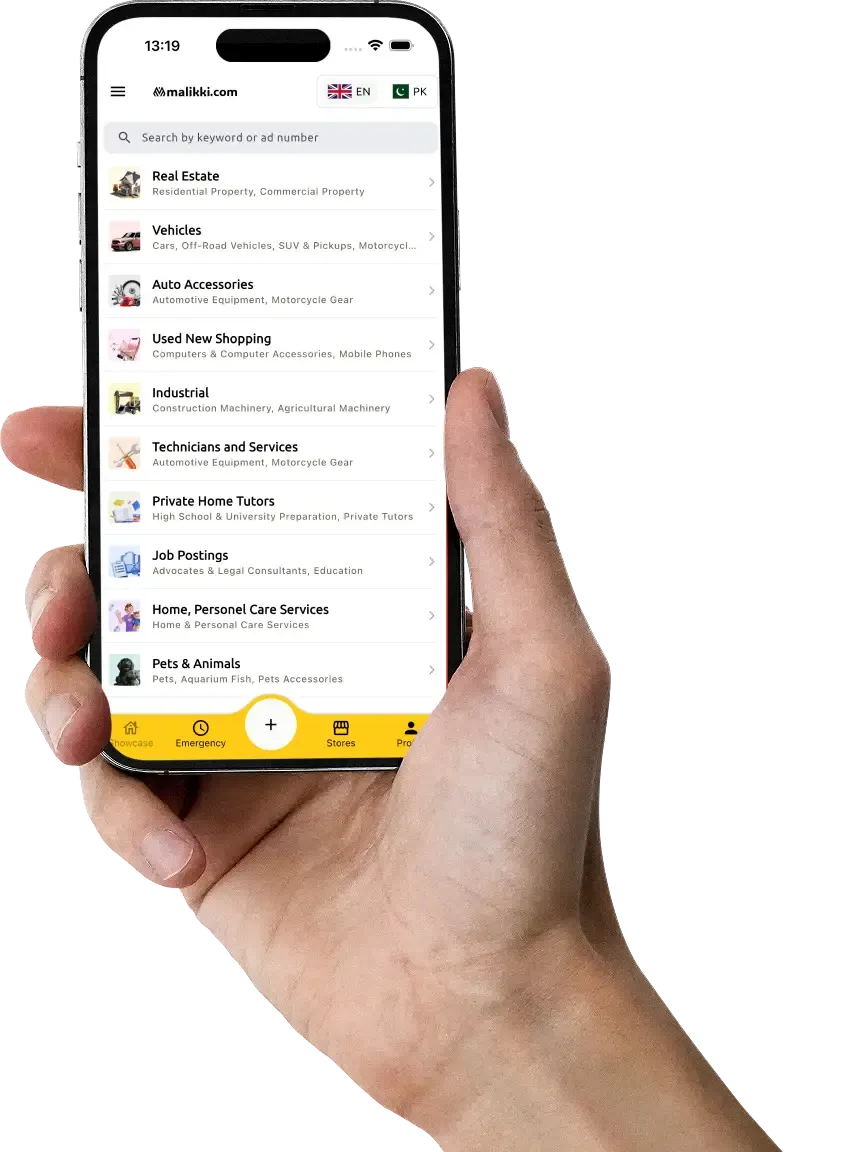
You can also sell on local platforms like Malikki and Daraz, where you list your products and the platform helps you get customers. Choosing the right business model depends on how much time, money, and experience you have. Each option has its pros and cons, so pick the one that matches your comfort level.
Pick a Profitable Niche for Your Online Store
Once you know your business model, the next step is to choose what you’ll sell. This is called picking a niche. In Pakistan, some popular niches include clothing, beauty products, electronics accessories, kitchen items, and children's toys.
The secret to success is to find something people are already interested in and buying. Check platforms like Google Trends, YouTube, Instagram, or TikTok to spot trending products. Pick something you're passionate about, as it’s easier to stay motivated when you care about what you’re selling. Avoid choosing a niche that’s too broad. For instance, instead of selling general clothing, focus on specific categories like “women’s ethnic wear” or “affordable men’s t-shirts.” This helps you reach the right audience and makes marketing simpler.
Register Your Business with Pakistani Government Authorities
Even if you're running your store from home, it's smart to register your business. This makes your work legal, builds customer trust, and helps you grow without issues later on.
You can register as a sole proprietor with the Federal Board of Revenue (FBR). This involves getting an NTN (National Tax Number), which is important if you want to open a business bank account or work with payment gateways and courier services. While you can start without registering, doing it early saves you from problems as your business grows. It also gives your brand a more professional image, which customers in Pakistan are starting to value more than ever.
Select the Right E-Commerce Platform for Your Store
Now that you’ve picked your niche and registered your business, it’s time to build your store. The platform you choose will affect everything—how your website looks, how customers shop, and how orders are managed.
In Pakistan, beginners often choose between Shopify and WooCommerce. Shopify is easy to use and has many ready-made features, which is great if you don’t have technical skills. WooCommerce works with WordPress and gives you more control, but it might require some help from a developer.
Some people also choose to start by selling on Daraz, which doesn’t require building a website. While this is faster, you won’t have as much control over branding or customer experience. If you want to grow your brand, having your own website is a better long-term option.
Get a Web Hosting and Domain Name
Every online store needs a domain name. This is your website address and plays a big role in how people remember your store. Choose a name that is short, easy to type, and matches your business type. You can use local services like HosterPK or international ones like GoDaddy to register your domain.
Once that’s done, you’ll need a place to host your website. Hosting is where all your website files live, and it needs to be fast and secure. Good hosting means your site loads quickly, which is important for customers and search engines. Look for services that offer 24/7 support and strong security features to keep your store safe.
Design a User-Friendly Online Store
Your store should be easy to use and look good on both mobile and desktop. Most Pakistani shoppers use their phones, so your design must be mobile-friendly. Choose a clean, simple layout that helps customers browse products, read details, and place orders without confusion.
If you’re using Shopify or WooCommerce, you’ll find many themes designed for online stores. Pick one that suits your brand style and makes your store look professional. Add basic pages like Home, About Us, Contact, and Terms of Service. Make sure your checkout process is easy and quick—no one likes filling out long forms when buying something online.
Add Safe and Convenient Payment Options for Pakistani Customers
After designing your store, you need to add ways for customers to pay you. In Pakistan, many people still prefer Cash on Delivery (COD), but offering digital payment methods is becoming more important.
You can add local payment options like Easypaisa, JazzCash, and bank transfers. Advanced users can also integrate services like PayFast, Keenu, or UBL GoPay. Make sure your website has an SSL certificate to keep customer data safe. This helps build trust and shows that your store is secure for online payments. Providing multiple payment choices makes it more convenient for customers to shop with you.
Upload High-Quality Product Listings
Your products are the heart of your store, and how you present them matters a lot. Each product should have a clear name, a detailed description, and high-quality images. Use simple words that describe the item’s size, material, color, and use.
Also, write your product titles in a way that includes keywords people are searching for. For example, instead of saying “Blue Dress,” say “Women’s Blue Formal Dress for Summer in Pakistan.” This helps your store appear in Google searches. Good pictures also matter—take clean, well-lit photos from different angles. Make sure the price, delivery time, and return policy are easy to see. A well-written and well-displayed product listing can increase your chances of making a sale.
Create a Smart Marketing Strategy for Your Online Store
After launching your store, the next step is to attract visitors. In Pakistan, social media is a highly effective tool for online marketing. Platforms such as Facebook, Instagram, and TikTok allow you to connect with thousands of people through free or paid posts.
Start by posting regularly and showing off your products in creative ways. Work with influencers or run simple giveaways to build interest. Paid ads let you target your ideal customer based on age, city, and interests. Also consider using SEO by writing blogs, adding keywords, and improving your website speed to show up better on Google.
Other useful tools include WhatsApp for direct customer communication and email marketing for sending updates and special offers. A smart marketing strategy helps you stay visible and build loyal customers.
Manage Orders, Shipping, and Customer Support Effectively
Once you start getting orders, it's important to handle them properly. Partner with reliable courier services like TCS, Leopards, BlueEx, or Trax to deliver products safely and on time. Many of these services let you track orders and notify customers automatically.
Always keep customers informed about their order status. If a delay happens, let them know immediately. Good customer support means answering questions quickly, solving issues politely, and handling returns smoothly. Happy customers will come back and tell others about your store.
Ensure your store’s return and refund policy is simple and straightforward. Being clear and honest with customers builds trust and makes them more likely to shop with you again.